
Roots of Our Voices
Roots of Our Voices
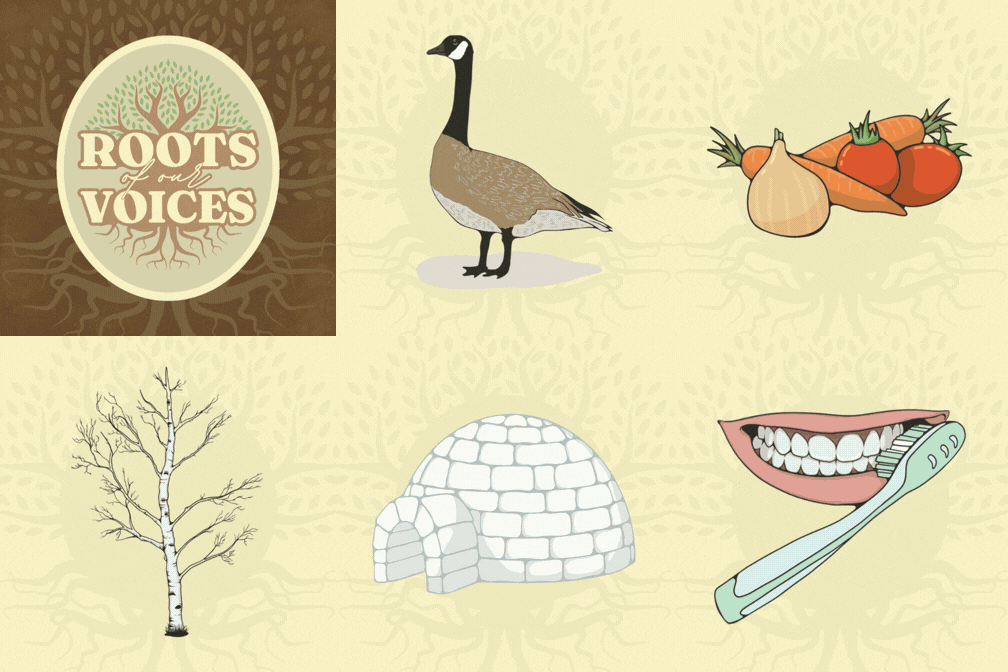
Boozhoo!Hello!Roots of Our Voices is a responsive speech sound and language tool and screener designed for SLPs and educators.
It was developed by an Indigenous Speech-Language Pathologist and features illustrations by an Indigenous artist. Our goal is to offer meaningful representation of Indigenous Peoples across Turtle Island in both urban and remote communities.
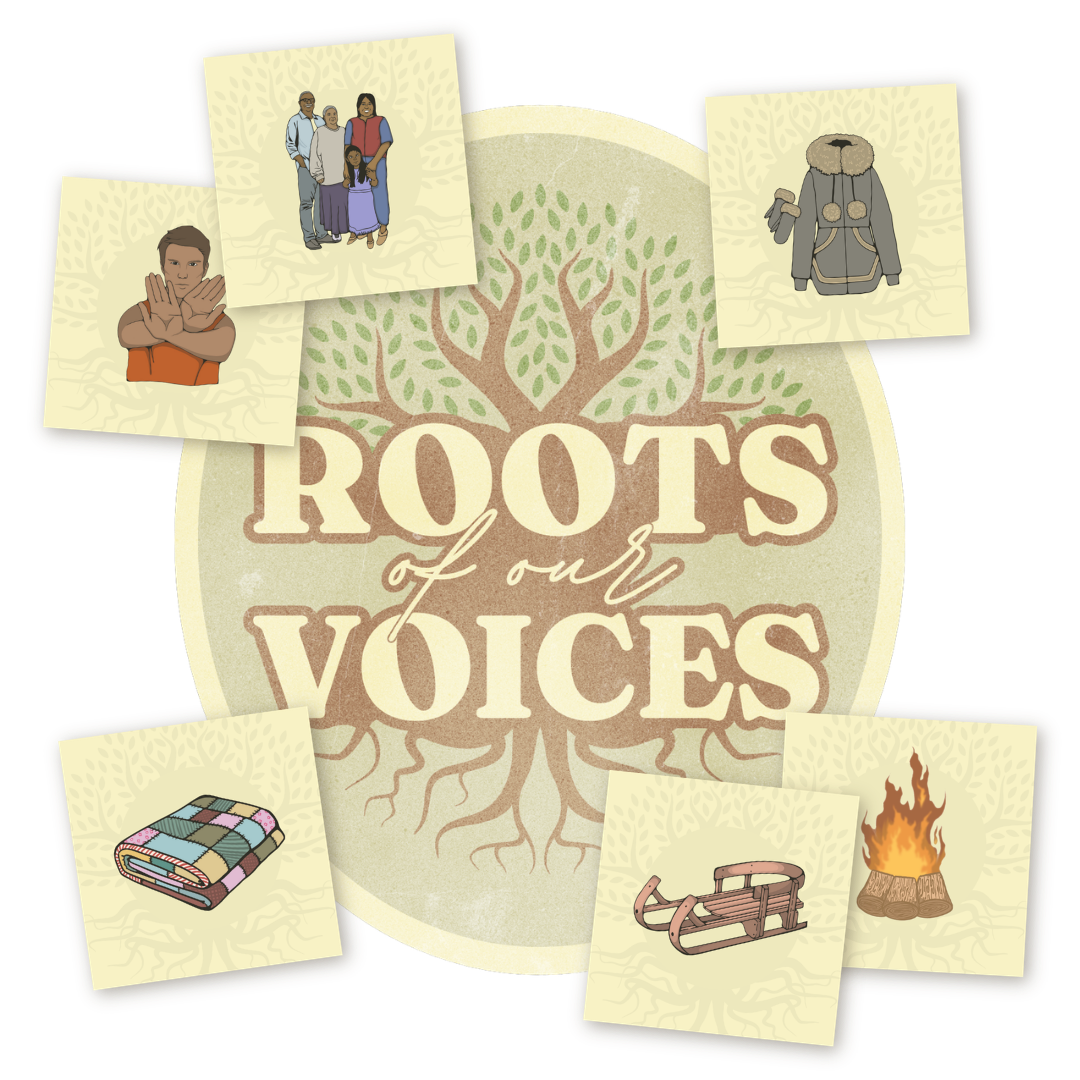
Roots of Our Voices is a responsive speech sound and language tool and screener designed for SLPs and educators. It was developed by an Indigenous Speech-Language Pathologist and features illustrations by an Indigenous artist. Our goal is to offer meaningful representation of Indigenous Peoples across Turtle Island in both urban and remote communities.
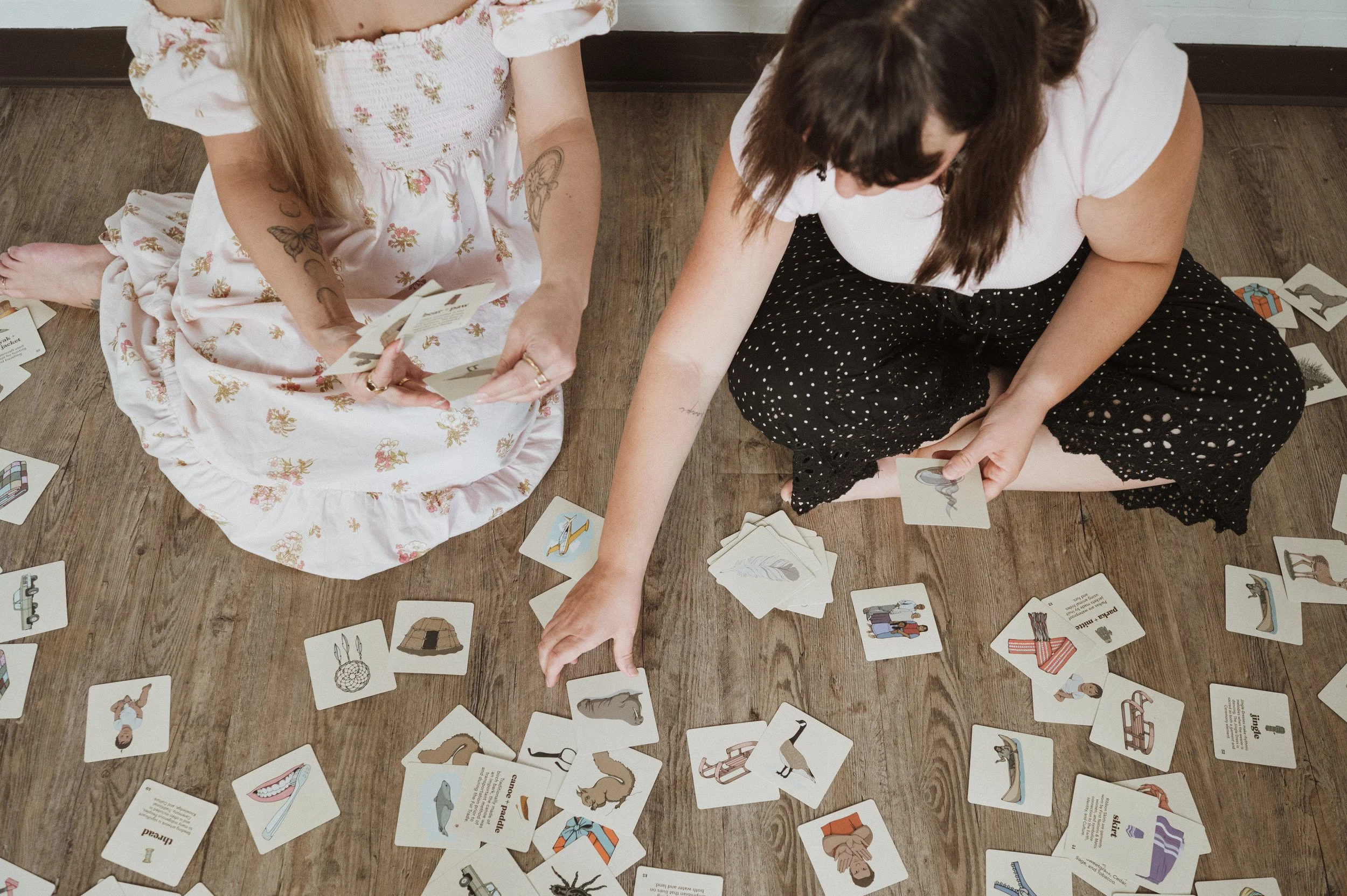
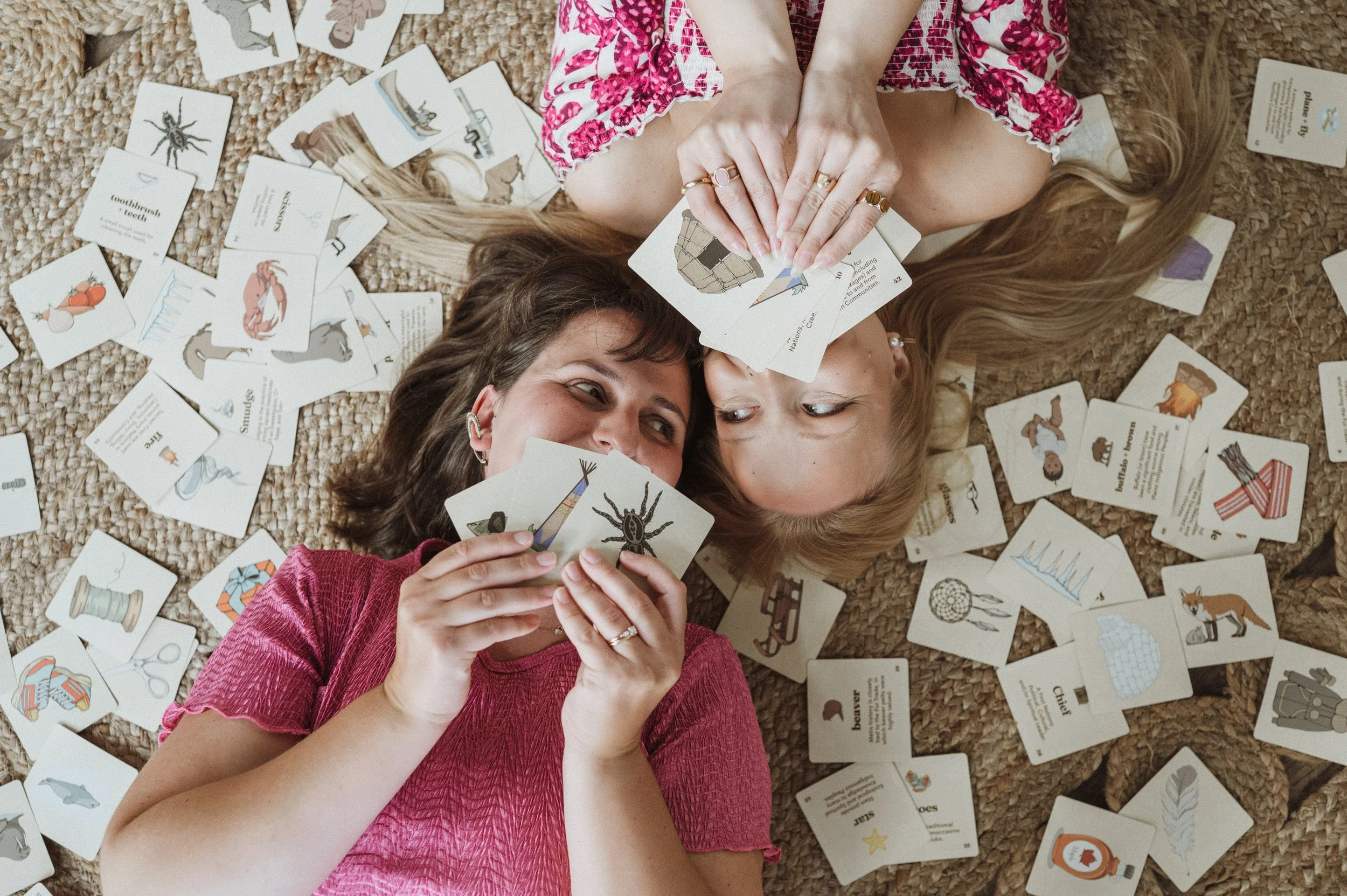
The Roots of Our Voices cards can be used for a variety of purposes to teach or elicit language skills. All cards include a short, child-friendly description on the back. Use these to build vocabulary, understanding, and awareness of vocabulary items that may be meaningful to your students.
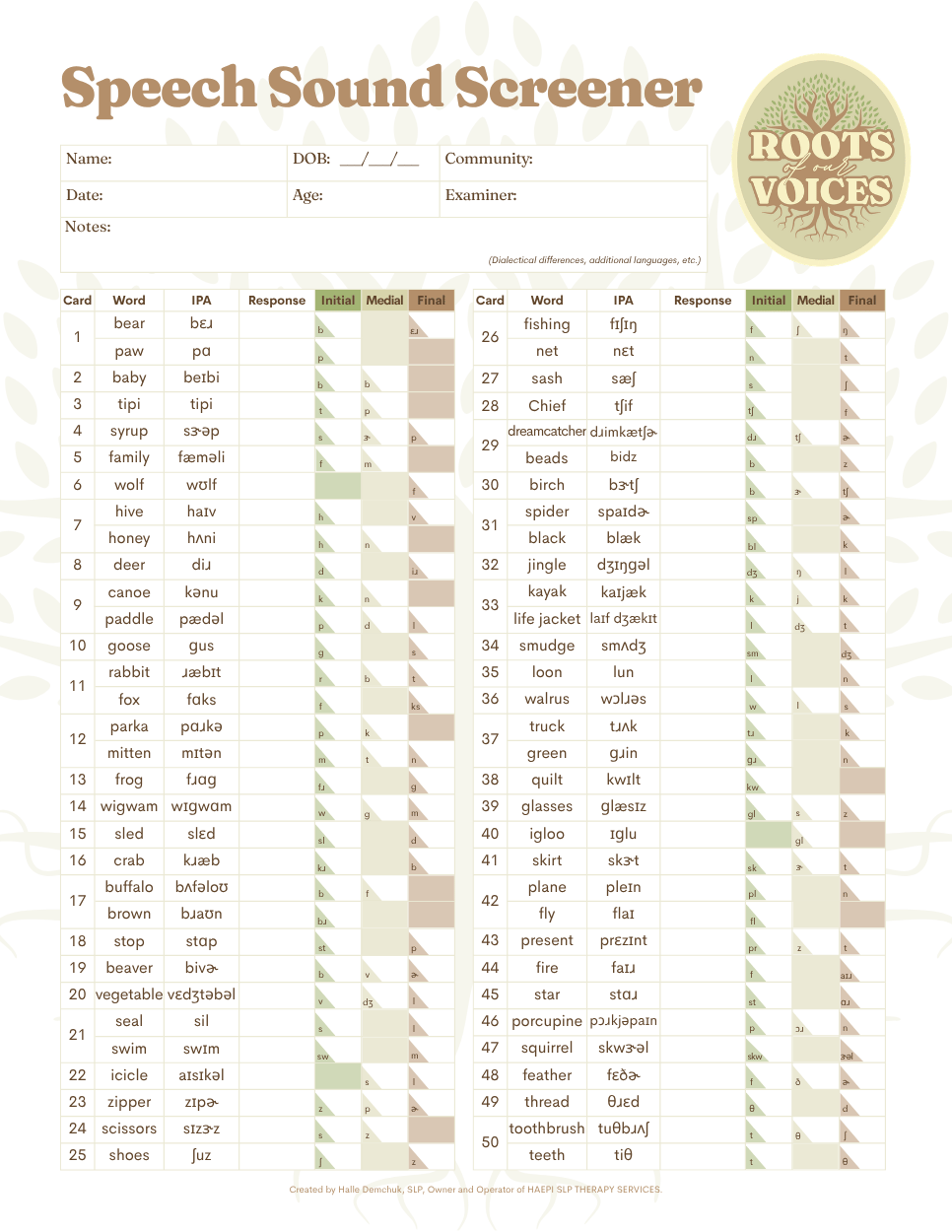
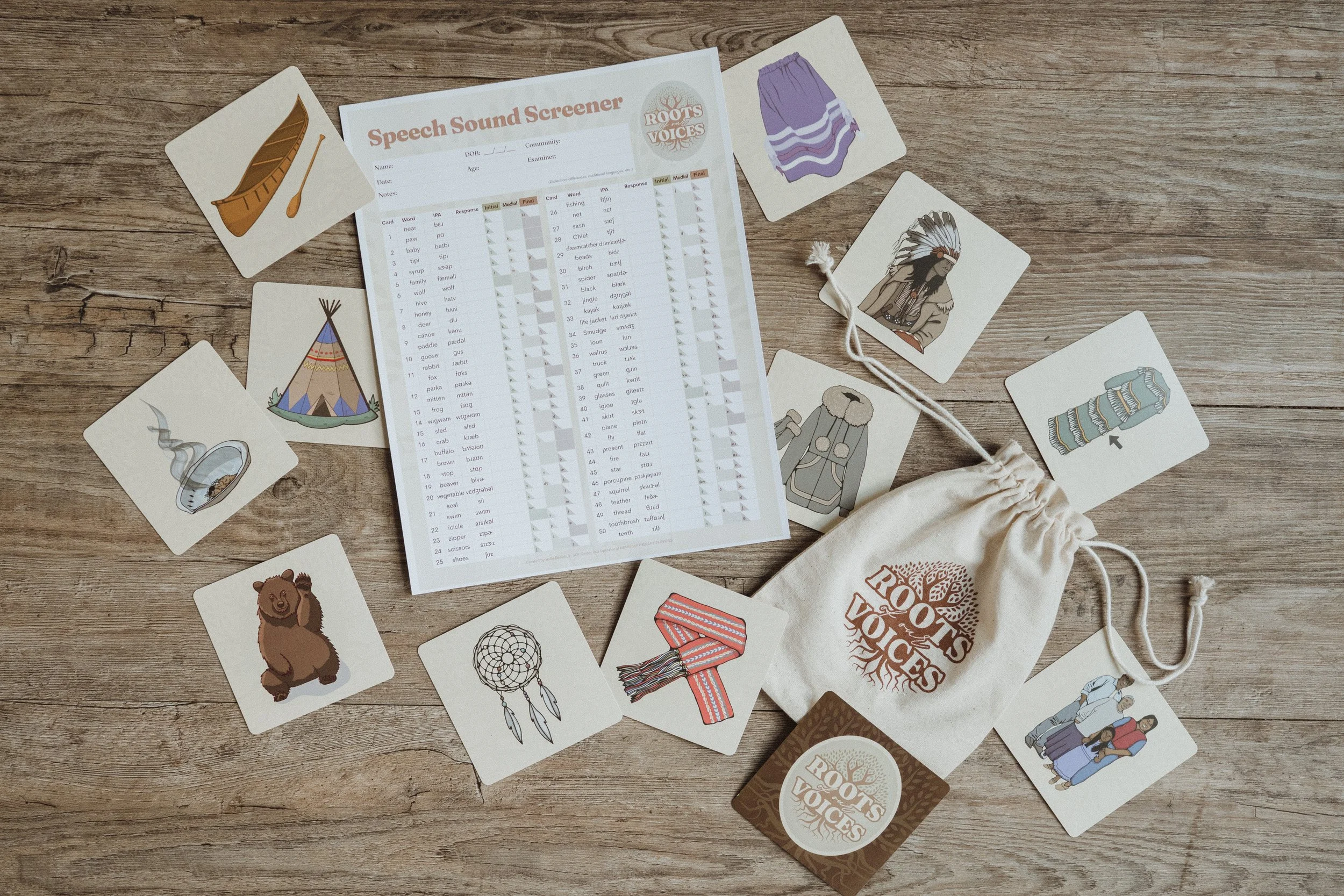
In addition to the physical deck of cards, each purchase comes with a free Speech Sound Screener and Language Activities Pack with ideas for how you might use the cards with your students.
Now Shipping - Order Your Deck Today 🪶
Now Shipping - Order Your Deck Today 🪶
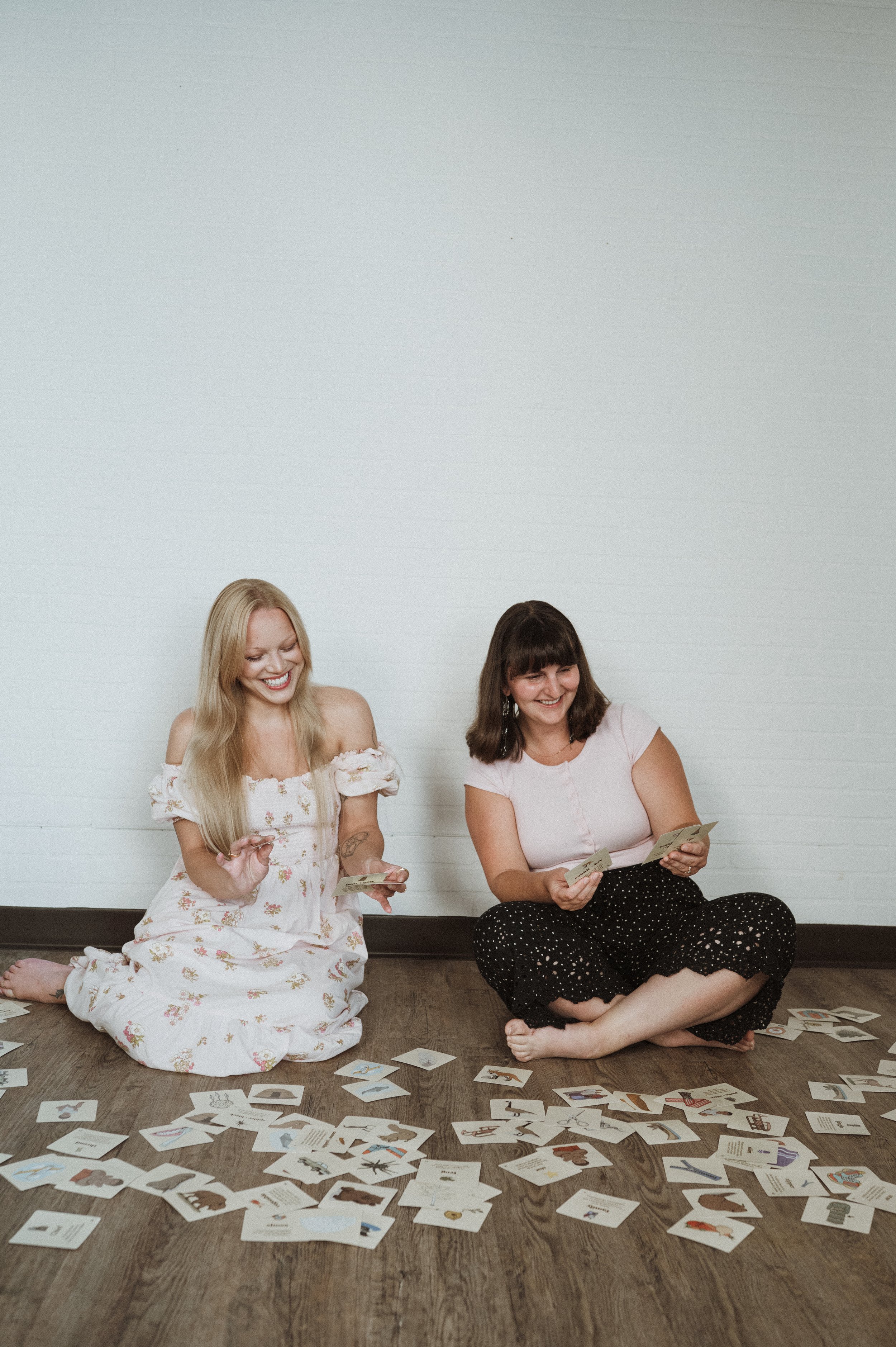
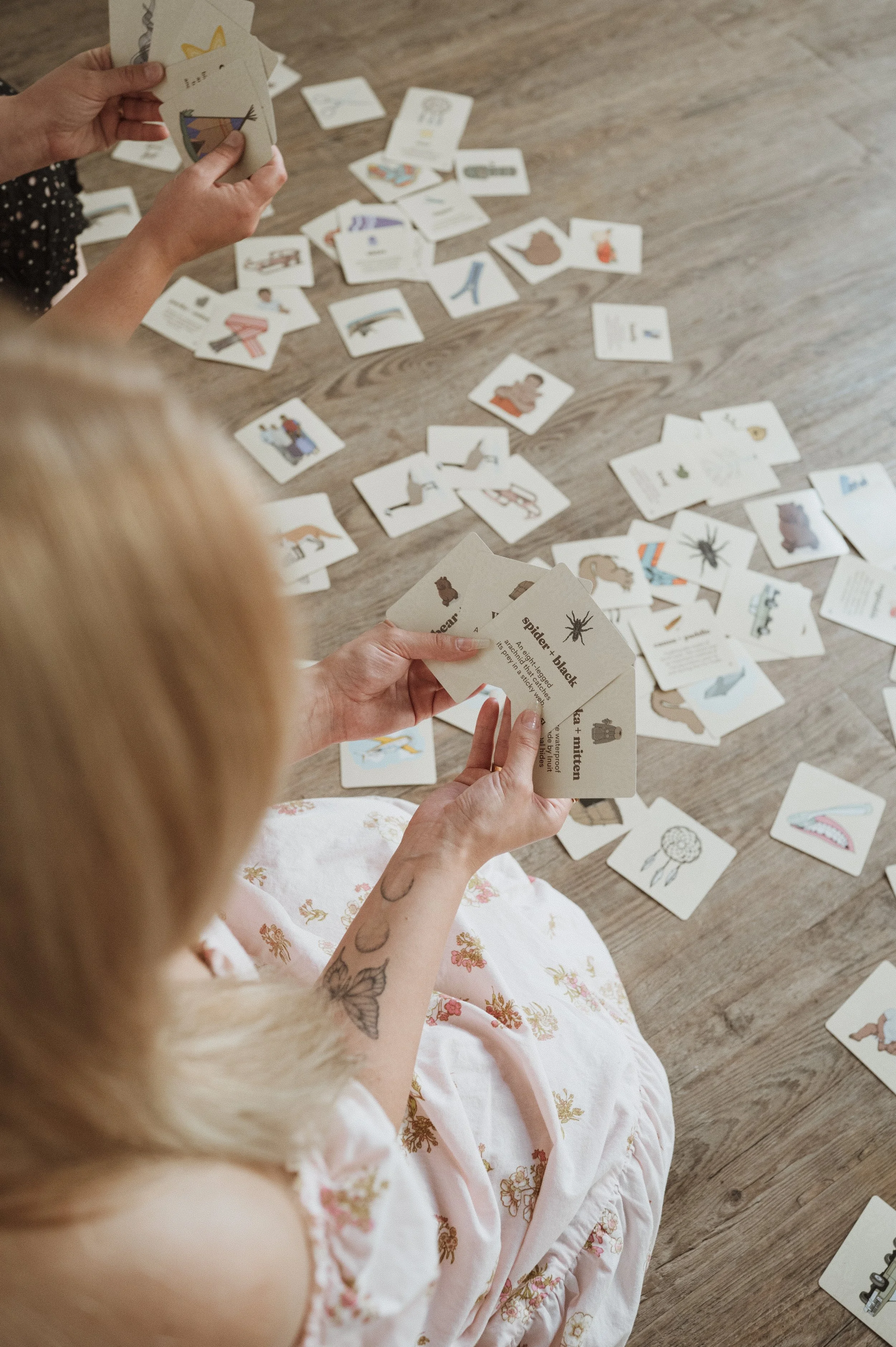
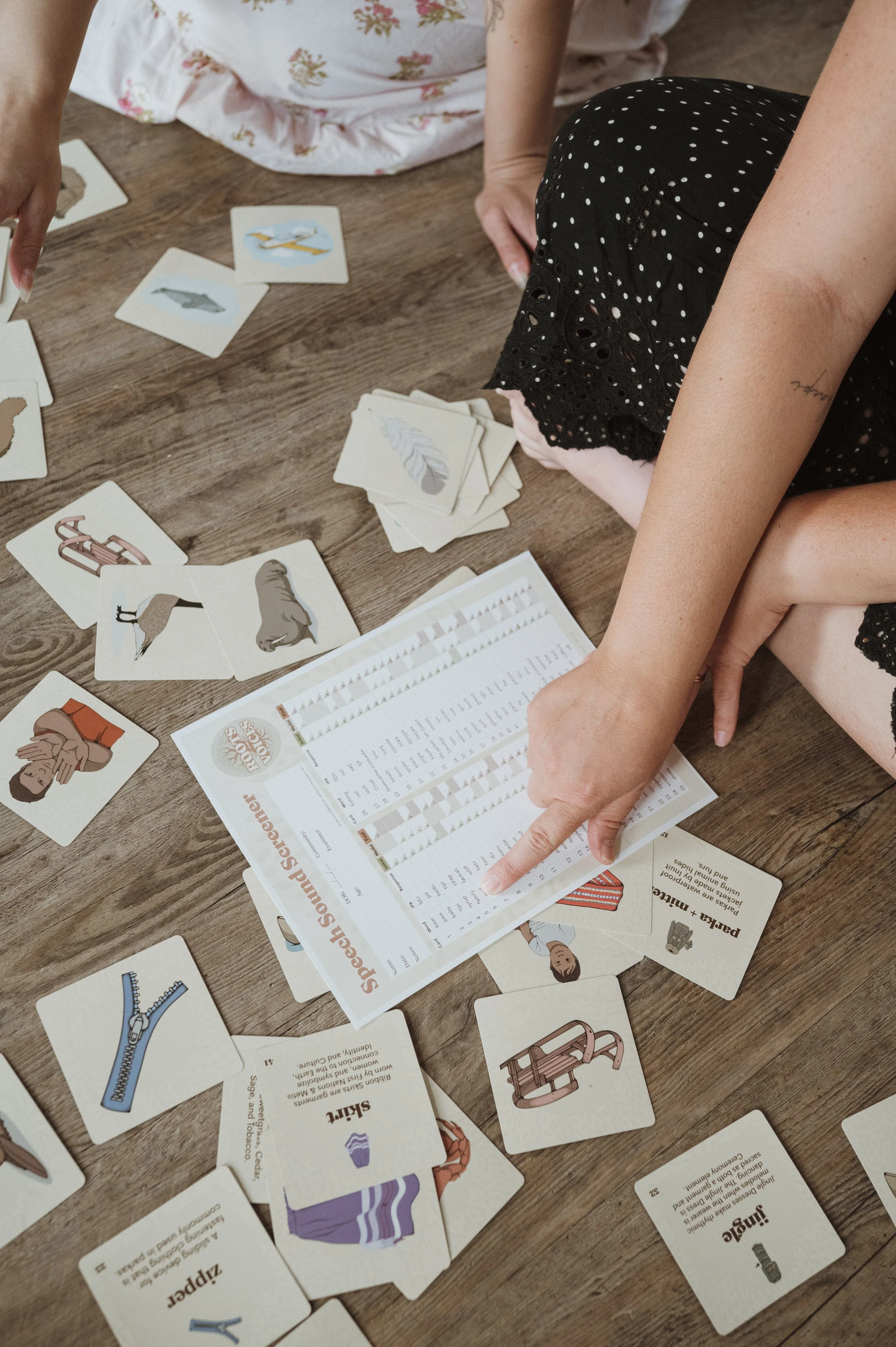
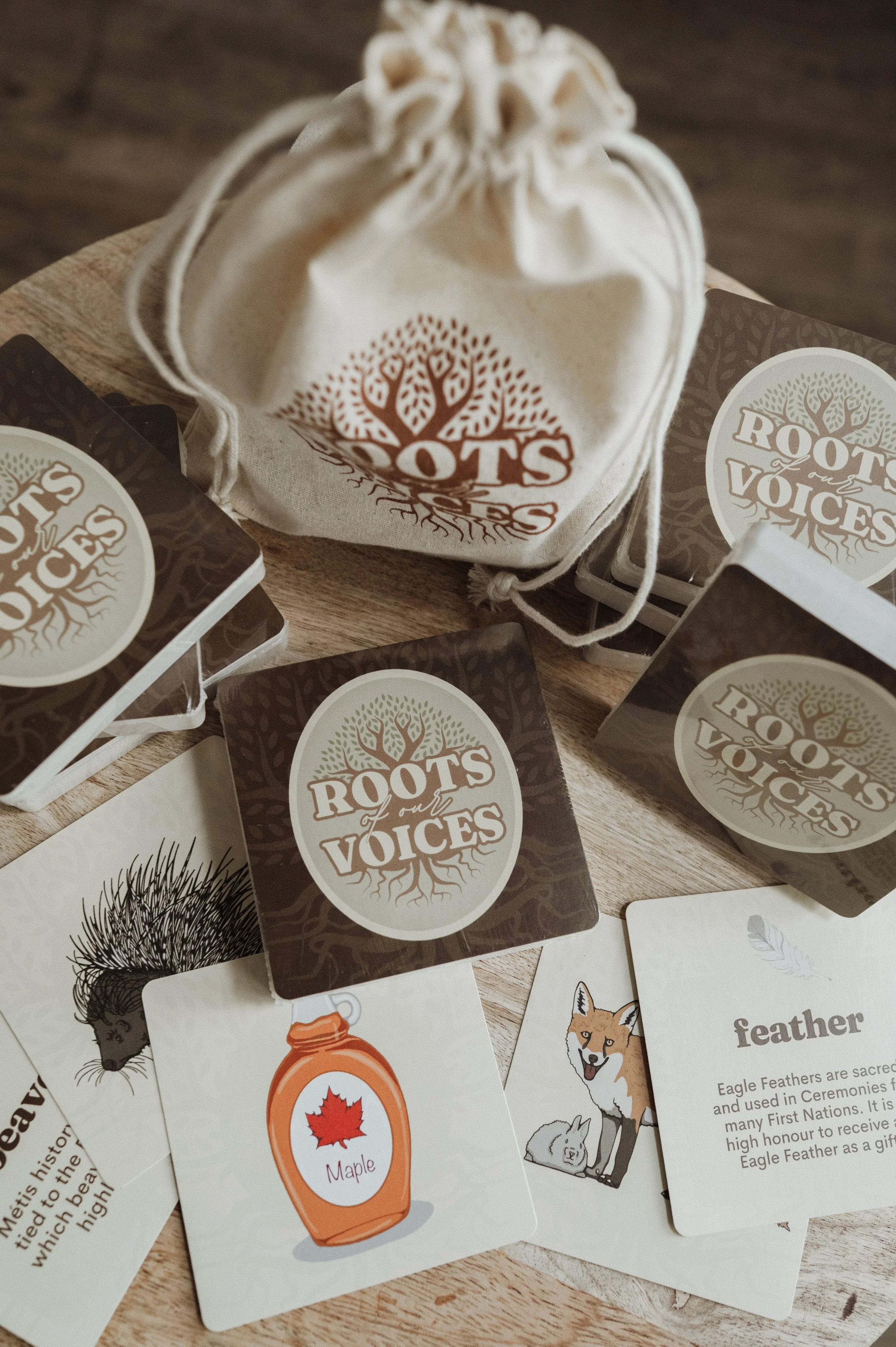
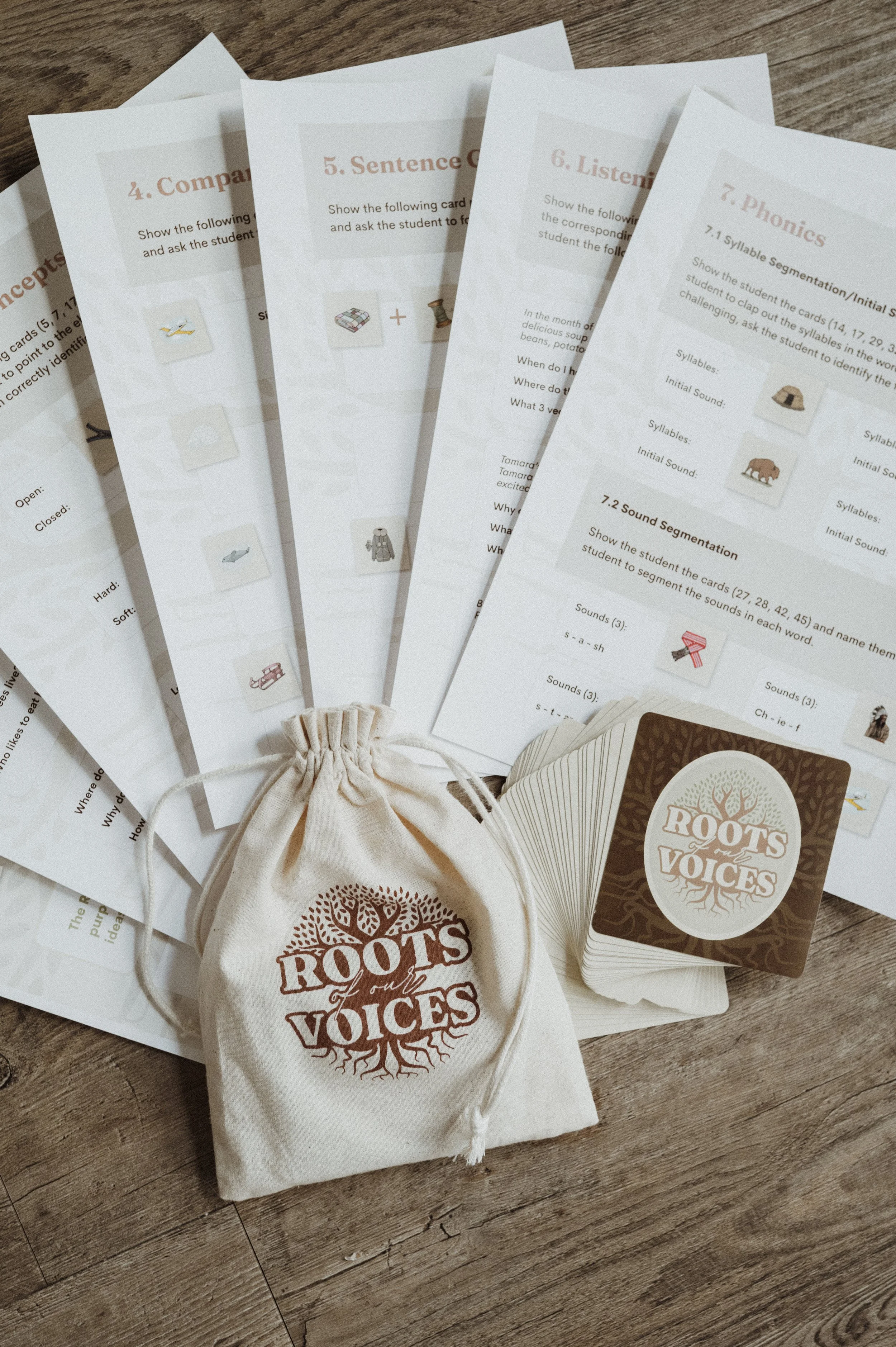
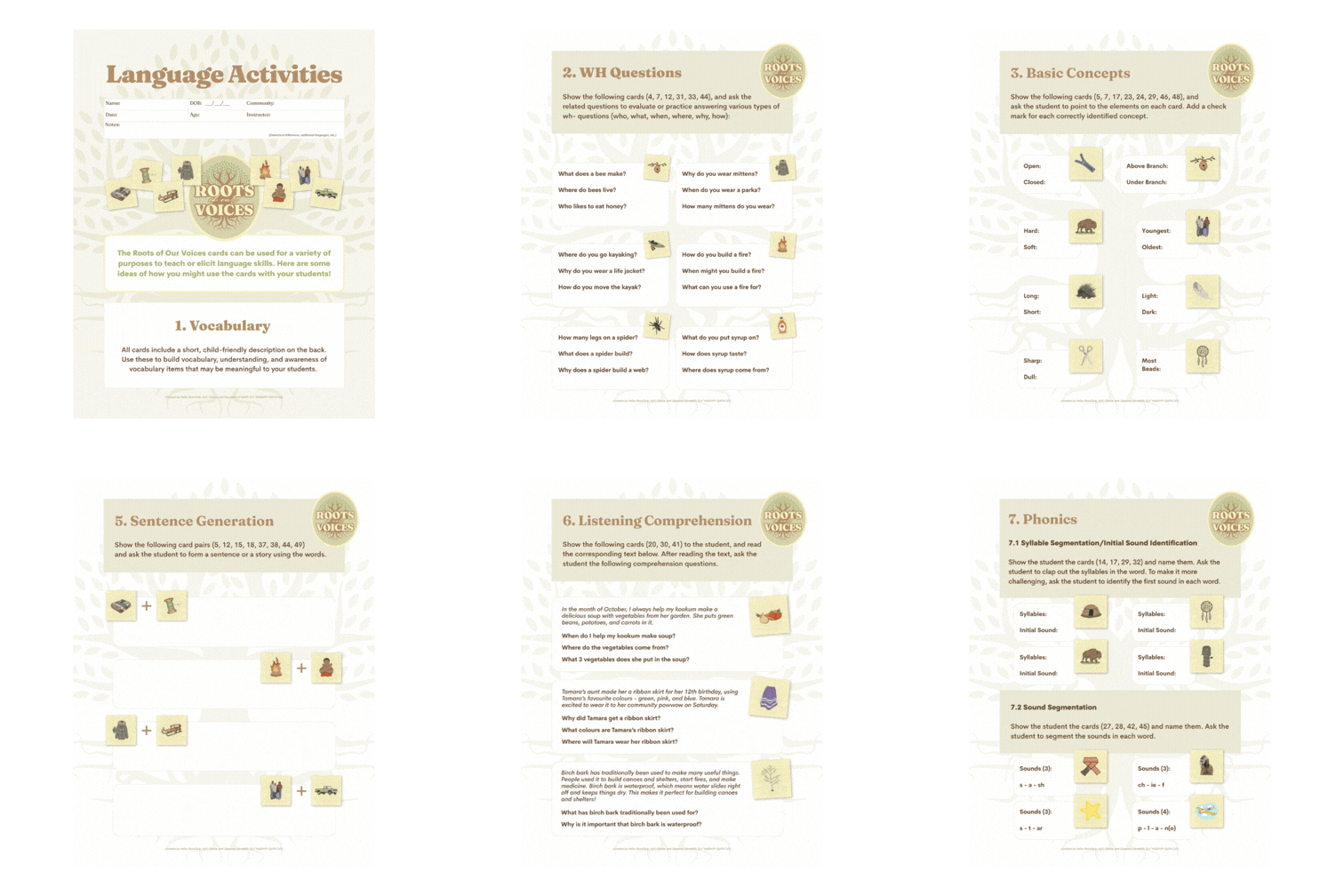
The Roots of Our Voices cards can be used for a variety of purposes to teach or elicit language skills. All cards include a short, child-friendly description on the back. Use these to build vocabulary, understanding, and awareness of vocabulary items that may be meaningful to your students.
In addition to the physical deck of cards, each purchase comes with a free Speech Sound Screener and Language Activities Pack with ideas for how you might use the cards with your students.
Meet The Creators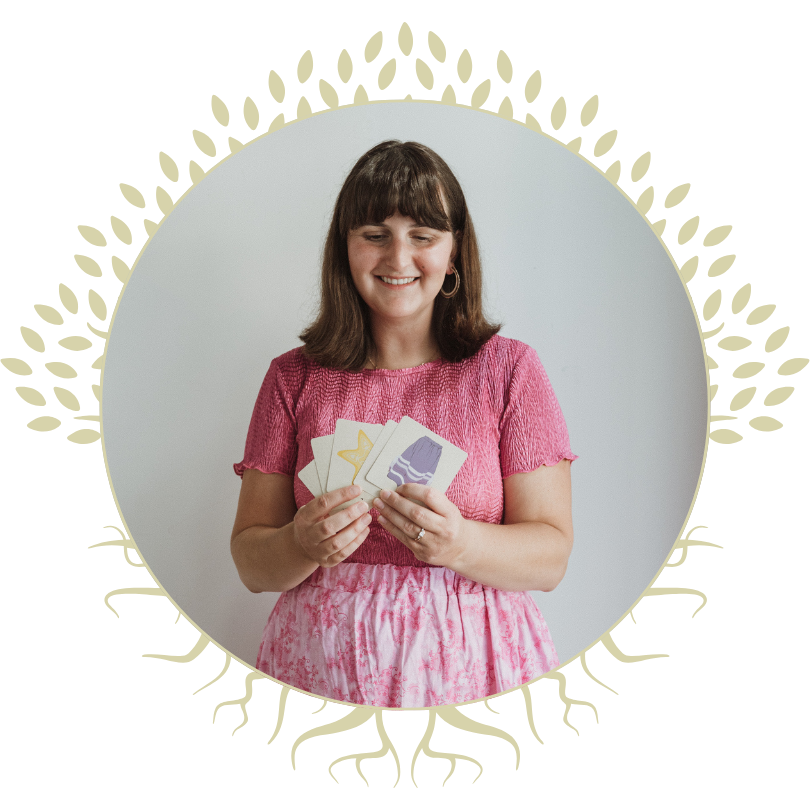
Halle Demchuk, SLP
Halle Demchuk is a Métis Speech-Language Pathologist (SLP) who was born and raised in Northwestern Ontario. Halle owns and operates HAEPI SLP Therapy Services and provides fly-in and virtual services to remote Indigenous communities. Halle is passionate about educating and advocating for her community.
Author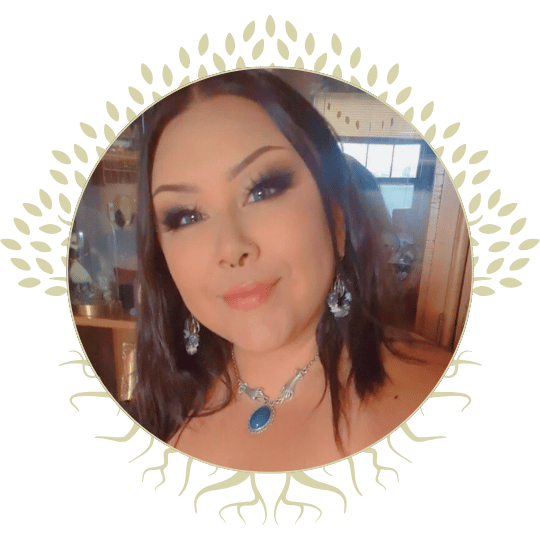
Alyssa Guimond
Alyssa Guimond is an Anishinaabe ikwe originally from Sagkeeng First Nation, but is currently based in the Winnipeg, MB area. Since 2022, she has been an Anishinaabemowin teacher and in her spare time works as a freelance artist. She is the proud owner of her small business Mayaginan Creations.
Illustrator
Piper Rasmussen is a digital designer and creative generalist who was born and raised in Thunder Bay, Ontario. She provides boutique creative services to clients internationally, and is passionate about supporting change-makers, woman-owned small businesses, and entrepreneurs in the health and wellness space.
DesignerPiper Rasmussen
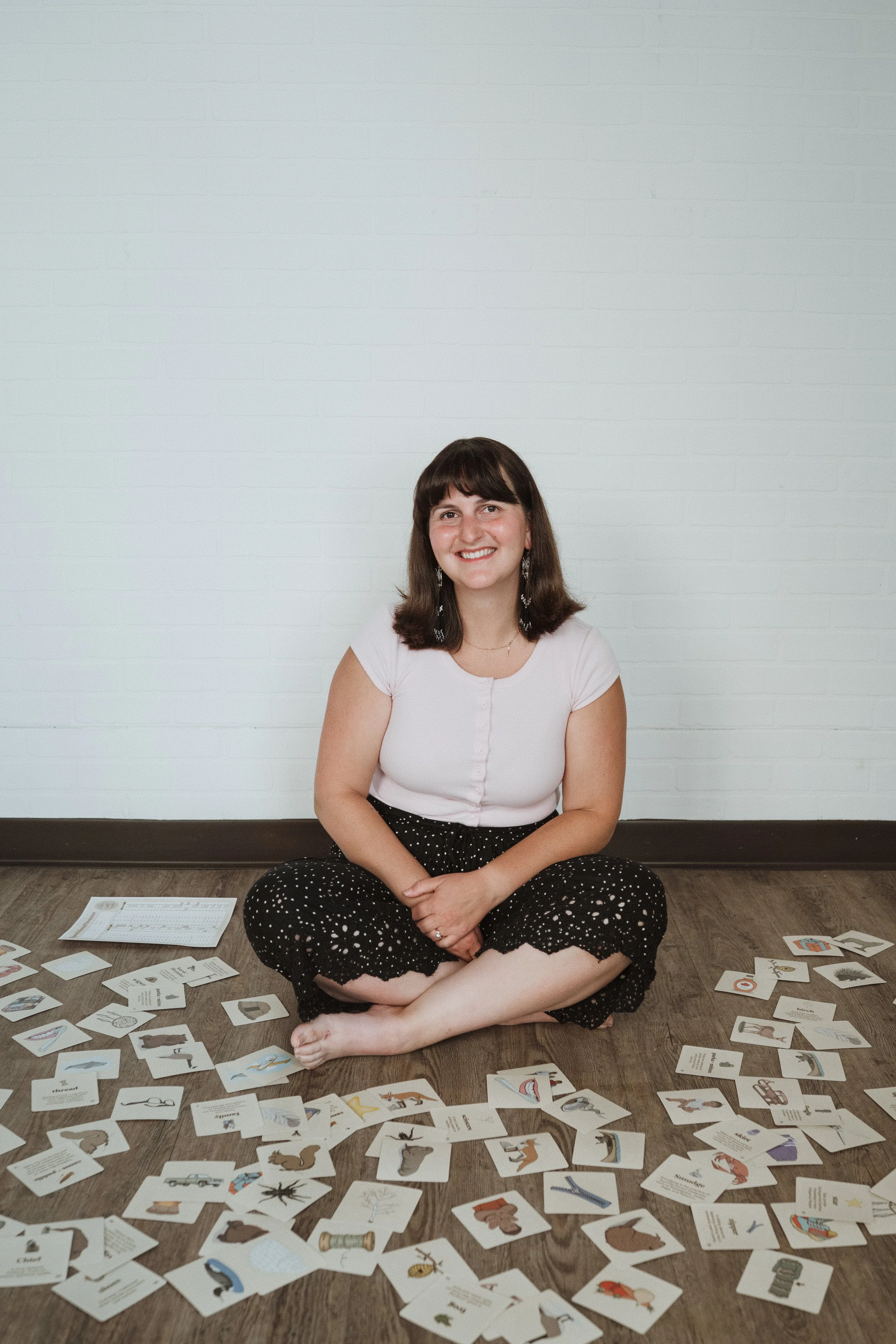
A note from the author:As a Speech-Language Pathologist, I've seen firsthand how important it is for children to see themselves reflected in the materials we use. Too often, speech and language assessments and therapy resources are developed without considering the diverse cultures, dialects, lived experiences, and strengths of the children we serve.
Many standardized assessments are normed on populations that do not reflect Indigenous children, particularly those living in northern or remote communities. As a result, children may be evaluated on vocabulary, speech sounds, or experiences that are unfamiliar or simply not relevant to their daily lives. This can create barriers to accurate assessment and meaningful intervention.
Roots of Our Voices was created to offer a more culturally responsive option for speech-language pathologists and educators. The cards feature meaningful representation of Indigenous Peoples across Turtle Island, with illustrations by an Indigenous artist and content designed to be flexible for a variety of communities, dialects, and learning environments. Rather than replacing standardized assessments, this resource is intended to complement them by supporting dynamic assessment, rich language opportunities, and conversations that are relevant to the child.
Like all good clinical practice, this resource is meant to evolve. I believe the best tools are shaped through listening, collaboration, and ongoing learning. My hope is that Roots of Our Voices helps clinicians and educators create more inclusive, respectful, and culturally responsive experiences for the children and families they serve.
- Halle Demchuk, SLP
Roots of Our Voices
Roots of Our Voices
Roots of Our Voices is a responsive speech sound and language tool and screener designed for SLPs and educators. It was developed by an Indigenous Speech-Language Pathologist and features illustrations by an Indigenous artist. Our goal is to offer meaningful representation of Indigenous Peoples across Turtle Island in both urban and remote communities.
The Roots of Our Voices cards can be used for a variety of purposes to teach or elicit language skills. All cards include a short, child-friendly description on the back. Use these to build vocabulary, understanding, and awareness of vocabulary items that may be meaningful to your students.
In addition to the physical deck of cards, each purchase comes with a free Speech Sound Screener and Language Activities Pack with ideas for how you might use the cards with your students.
-
Roots of Our Voices cards are designed to support speech sound development and language learning in a meaningful, engaging way. They can be used to teach and elicit vocabulary, build comprehension, and support expressive language skills. Each card includes a child-friendly description to help learners of all backgrounds connect with and understand the vocabulary, while also focusing on culturally relevant concepts for Indigenous children.
Unlike many traditional tools, these cards were created (by a Métis SLP) with the understanding that standardized materials often don’t reflect the realities of Indigenous children—especially those in remote or fly-in communities. By centring relevant vocabulary, storytelling, and representation, our cards aim to make language learning more accessible and empowering for Indigenous students.
-
Absolutely. These cards are designed for Speech-Language Pathologists, but also for educators, support staff, and caregivers working with children in any setting.
Because many standardized tools are not appropriate or relevant for Indigenous learners, it’s especially important that more people feel confident using flexible, culturally responsive resources. The included Language Activities Pack provides practical, easy-to-follow ideas so you can support language development while honouring the strengths, understandings, and experiences of the children you’re working with.
-
These cards give you a flexible, ready-to-use resource for targeting speech and language goals while staying responsive to the needs of your students. You can use them to introduce vocabulary, support storytelling, build comprehension, and encourage conversation in a way that feels natural and meaningful.
They’re especially valuable in contexts where standardized tests fall short. Many assessments are not normed for Indigenous children and may overlook important factors like dialect, second language learning, and culturally significant forms of communication such as oral storytelling. These cards help you move away from a deficit-based approach and instead build on each child’s strengths.
By incorporating authentic Indigenous representation and culturally relevant content, the cards also help create a more inclusive environment—one where students feel seen, respected, and better able to engage in their own language learning journey.
-
We currently offer flat rate shipping within Canada ($9.99) and the United States ($19.99). For residents of Thunder Bay, we offer free delivery within city limits.
At checkout, type in your address to pull up the fulfillment options that are applicable to your location.
For those living outside of these regions, please feel free to contact us to arrange for a custom sale.