
Occupational Therapy (OT)
What is Occupational Therapy?
Occupational Therapy (OT) is a client-centered health profession that focuses on promoting health and well-being through occupation. Occupation refers to the everyday activities that people need, want, or are expected to do.
The primary goal of OT is to enable all individuals to participate in the activities of everyday life!
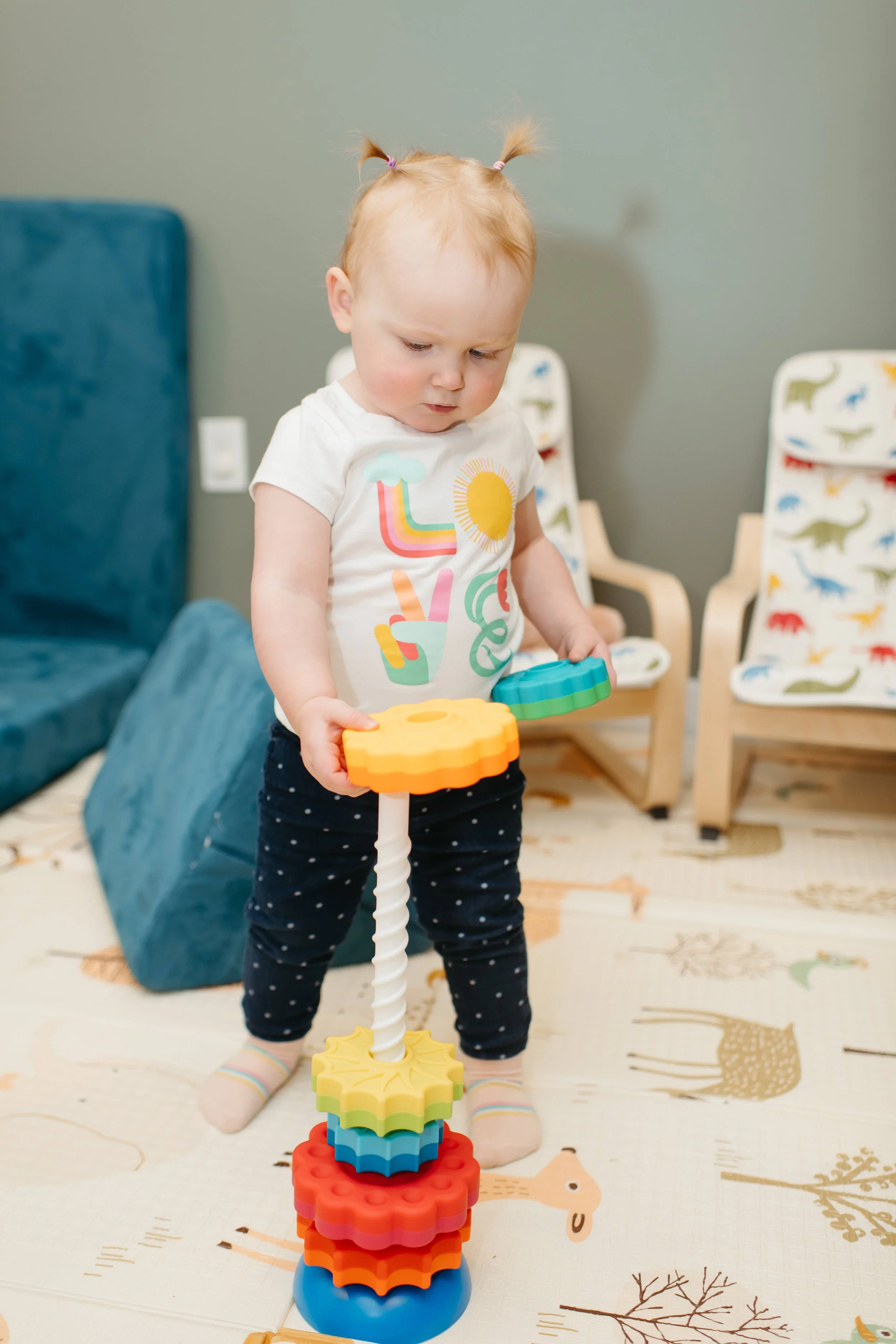
Who is OT For?
Occupational therapists work with people of all ages to help them achieve their desired level of independence and functionality.

This involves developing, recovering, or maintaining the skills needed for daily living. Through personalized interventions, OTs support individuals in overcoming physical, emotional, or social barriers that impact their ability to perform everyday tasks.
Our paediatric OTs can help children to...
Develop New Skills (for children facing developmental delays or learning new tasks)
Recover Lost Skills (for those who have experienced injury, illness, or surgery)
Maintain Current Skills (for individuals with chronic conditions aiming to maintain their level of function)
Adapt to the Environment (by modifying homes or schools to support better performance in daily activities)
Enhance Quality of Life (improving overall well-being by enabling participation in meaningful activities)
The HAEPI Process
1. Initial Consultation
During your first virtual, home- or community-based visit, you and your child will meet with one of our occupational therapists (click here to meet our clinical team!). This initial consultation is an opportunity for us to get to know your child, understand their unique needs, and discuss your concerns and goals. We'll ask questions about your child's developmental history, daily routines, and any challenges they may be experiencing. This information helps us create a comprehensive picture of your child's current abilities and areas for improvement. By collaborating with you and your child, we aim to set realistic and meaningful goals that will enhance your child's ability to participate in everyday activities and improve their overall quality of life.
2. Assessment & Goal Setting
Our evaluation process includes a variety of assessments designed to measure your child's strengths and areas for development. These assessments may involve observing your child during play, structured tasks, and activities of daily living. The therapist may use standardized tests and informal assessments to gather data on your child's motor skills, sensory processing, cognitive abilities, and social interactions. Together, we will discuss the results and set collaborative goals that align with your child's needs and your family's priorities.
3. Treatment Planning
Based on the assessment and goal-setting, we develop a customized, evidence-based intervention plan tailored to your child's unique needs. This plan outlines the specific therapeutic activities and strategies that will be used to help your child achieve their goals. Our intervention plans are designed to be flexible and adaptive, allowing us to adjust our approach as your child progresses and as new needs arise.
4. Ongoing Support & Evaluation
We continuously monitor your child's development and assess their progress towards the established goals. During our reviews, we provide feedback to you and your child, celebrate successes, and identify any areas that may need additional focus. Ongoing communication with you and your child ensures that we can make adjustments to the intervention strategies and goals as needed to ensure that your child continues to make meaningful progress.
Frequently Asked Questions
-
Pediatric Occupational Therapy is a specialized area of OT that focuses on helping children develop the skills they need to perform daily activities. These activities can include anything from playing and learning to self-care tasks like dressing and eating.
-
Children who can benefit from OT include those with:
Developmental delays
Autism Spectrum Disorder (ASD)
Sensory processing issues
Fine and gross motor skill challenges
Behavioural and emotional difficulties
Attention Deficit Hyperactivity Disorder (ADHD)
-
Paediatric OTs treat a variety of conditions, such as...
Sensory processing disorders
Developmental delays
Motor skill difficulties
Learning disabilities
Behavioural challenges
-
Before delving into treatment, you, the occupational therapist and in some cases, your child, will meet for an initial consultation. During the consultation, the OT will...
conduct a thorough assessment of your child's development, challenges, and strengths,
discuss your child's daily activities and any difficulties they face, and
begin creating a personalized treatment plan tailored to your child's needs.
During a regular therapy session, you can expect...a fun and engaging environment tailored to your child's interests,
activities designed to address your child's specific goals and challenges,
continuous assessment and feedback from the therapist, and
an emphasis on building skills and confidence to perform daily tasks independently.
-
Treatment goals are set collaboratively, involving the OT, parents or caregivers, and when appropriate, the child. Goals are based on your child's needs, interests, and family priorities, ensuring they are realistic and achievable.
-
Paediatric OT interventions can include things like...
Play-based activities to enhance motor, cognitive, and social skills
Sensory integration techniques to help children manage sensory processing issues
Training in daily living skills (e.g., dressing, feeding)
Use of adaptive tools and strategies to support independence
Parent and caregiver education to support therapy at home
-
The duration of therapy varies based on your child's specific needs and goals. Some children may benefit from short-term intervention, while others may require longer-term support. Progress is regularly reviewed, and therapy plans are adjusted as needed.
-
Getting started is simple! Contact us via phone or email to schedule an initial consultation. We look forward to supporting your child on their path to improved well-being and independence.
Other Areas of Focus