Autism Spectrum Disorder (ASD)
At HAEPI SLP, we have experience supporting children who...
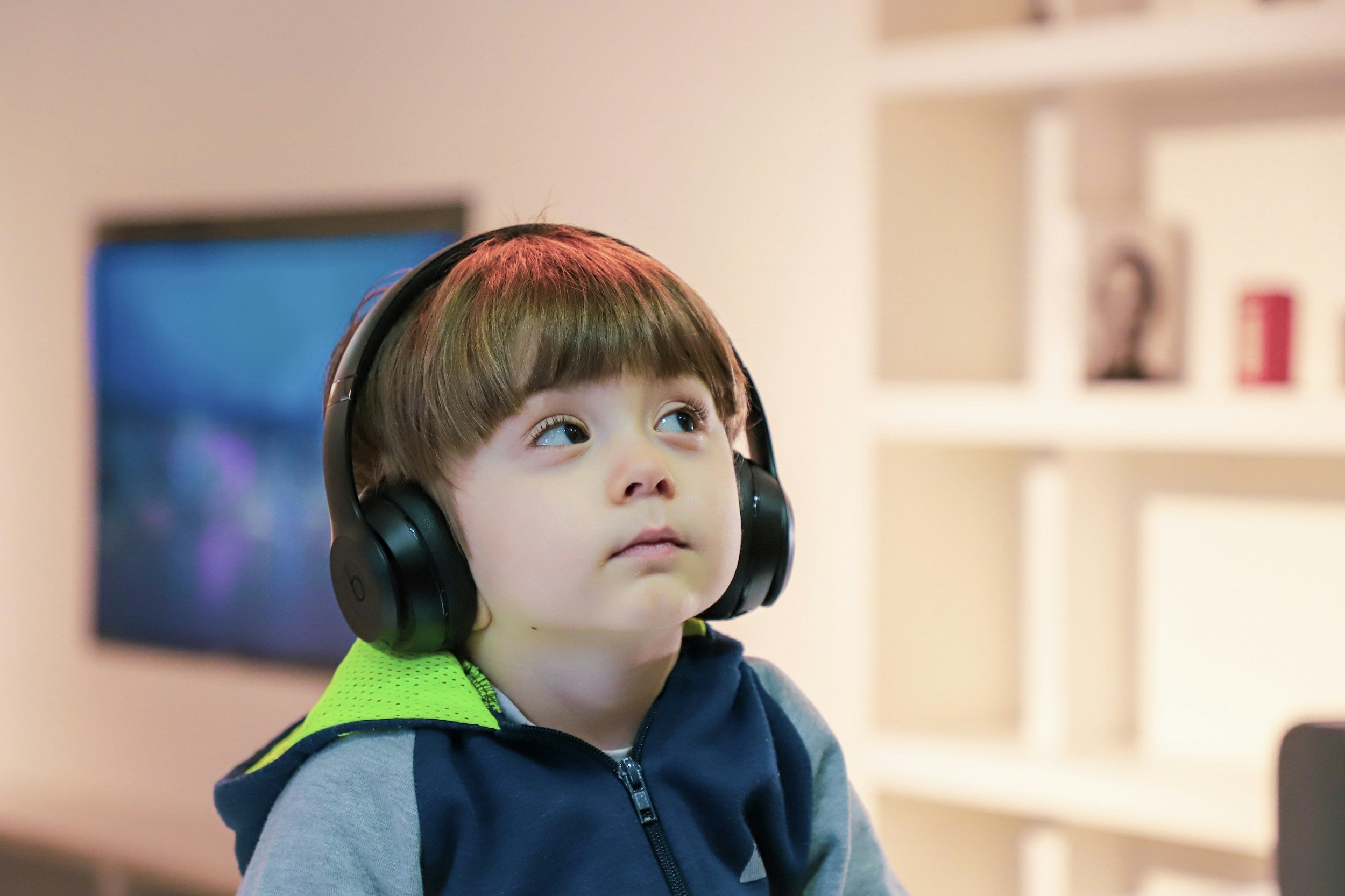
Show differences in communication styles, such as limited verbal speech, echolalia, or a preference for alternative methods like AAC (Augmentative and Alternative Communication).
Exhibit unique sensory preferences or sensitivities.
Engage in repetitive behaviours or routines that provide comfort or expression.
Prefer engaging with interests deeply and uniquely.
Thrive with structure and predictability in their day.
If this resonates or if your child has already received a diagnosis, rest assured—Autistic children are simply wired differently, and their development is not a problem to fix but a difference to celebrate and embrace.
Keep reading to learn about how therapy services with HAEPI SLP can help you do just that.
Neurodiversity-Affirming Therapy at HAEPI SLP
Autistic children often have their own ways of interacting with the world. Neurodiversity-affirming speech and occupational therapies respect these differences while fostering meaningful connection and communication.
At HAEPI SLP, we embrace each child's unique way of communicating by following their lead and their joy. Our strength-based interventions focus on nurturing their natural talents—like exceptional memory, creativity, or problem-solving skills—to help them shine and progress. By working closely with families and caregivers, we set meaningful, child-driven goals that reflect what matters most in their daily lives. Through this collaborative and personalized approach, we aim to empower children to express themselves authentically while building their confidence and independence.
The Role of Sensory Preferences in Communication
Sensory processing plays a huge role in how Autistic children experience the world. Some may seek calming sensory inputs, like weighted blankets or fidget tools, while others thrive in lively, engaging environments (check out our post on the Snoezelen room if the latter is the case for your child!).
Incorporating sensory supports into therapy ensures that children feel safe, regulated, comfortable, and ready to connect.
How We Work with Families
At HAEPI SLP, we believe family involvement is essential to creating meaningful, lasting change. We begin by listening to understand your child’s strengths, needs, and your goals as a family. From there, we offer caregiver training, equipping you with tools and strategies to support communication and interaction at home. Throughout the process, we maintain continuous feedback, ensuring your insights shape our approach and that therapy seamlessly integrates into your child’s life. This collaborative partnership ensures that every step of the journey is tailored to your family’s unique needs.
Frequently Asked Questions
-
Yes! HAEPI SLP Therapy Services is an ONTARIO AUTISM PROGRAM (OAP) approved service provider. For more information on OAP funding - click here: https://accessoap.ca/.
-
Nope! Families can self-refer, with no physician referral necessary. Please reach out via the form below or via phone or email, and I will get you started with the referral process.
-
Nonverbal communication is valid and meaningful. We might explore Augmentative and Alternative Communication (AAC) systems and tools, gestures, or other methods to help your child express their needs while supporting speech development if appropriate.
-
We adapt sessions to your child’s sensory preferences, using calming tools, movement breaks, or other accommodations to create a safe and comfortable environment.
-
Echolalia is an important step for many autistic children (up to 85% of Autistic individuals are gestalt language processors!). It shows language is being processed and can be used to scaffold more flexible, self-generated language over time.
-
No. Behaviours like scripting or stimming serve important functions for regulation, expression, and comfort. Our goal is to support meaningful communication without discouraging natural behaviours.
-
Absolutely. AAC doesn’t hinder speech development; in fact, it often supports it by giving children a way to communicate while building confidence and reducing frustration.
-
Not every child will require traditional speech therapy, but many benefit from communication support tailored to their needs, such as enhancing social interaction or exploring AAC options.
-
Yes, our sessions can include activities that support social communication, such as learning to navigate conversations, recognizing social cues, or managing group interactions in a way that feels safe and achievable for your child.
Our Thoughts On
Neurodiversity-Affirming Therapy

At HAEPI, we are committed to connection over compliance. This involves:
using an individual's own special interests to guide therapy,
encouraging movement of bodies/stimming,
creating goals that focus on advocating for one's needs.
Moreover, we celebrate the strengths a child already has (instead of focusing on what is lacking) and allow each child to be their truest, most authentic self by working within while gently expanding their comfort zone.
Other Areas of Focus