Alternative & Augmentative Communication (AAC)
What is AAC?
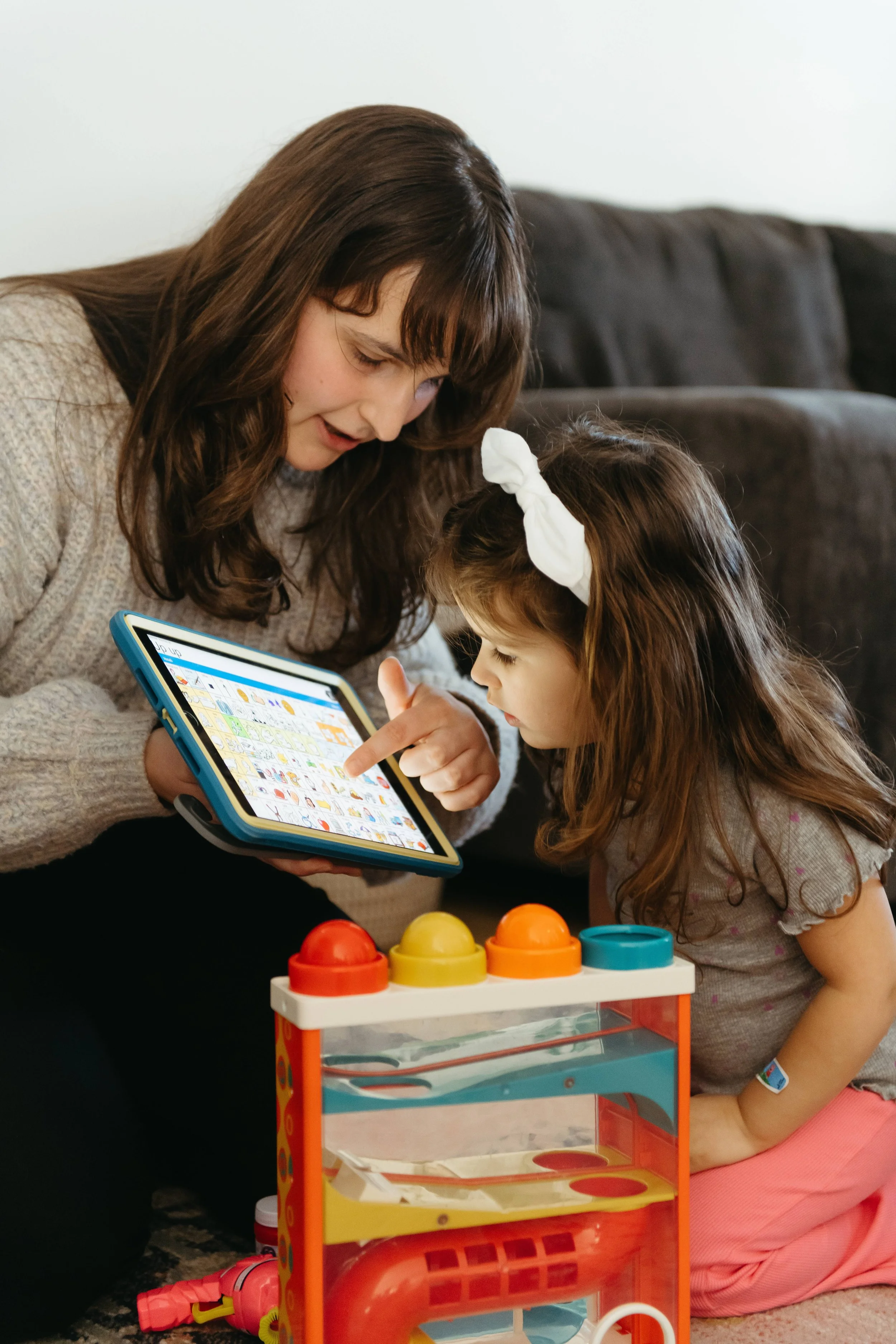
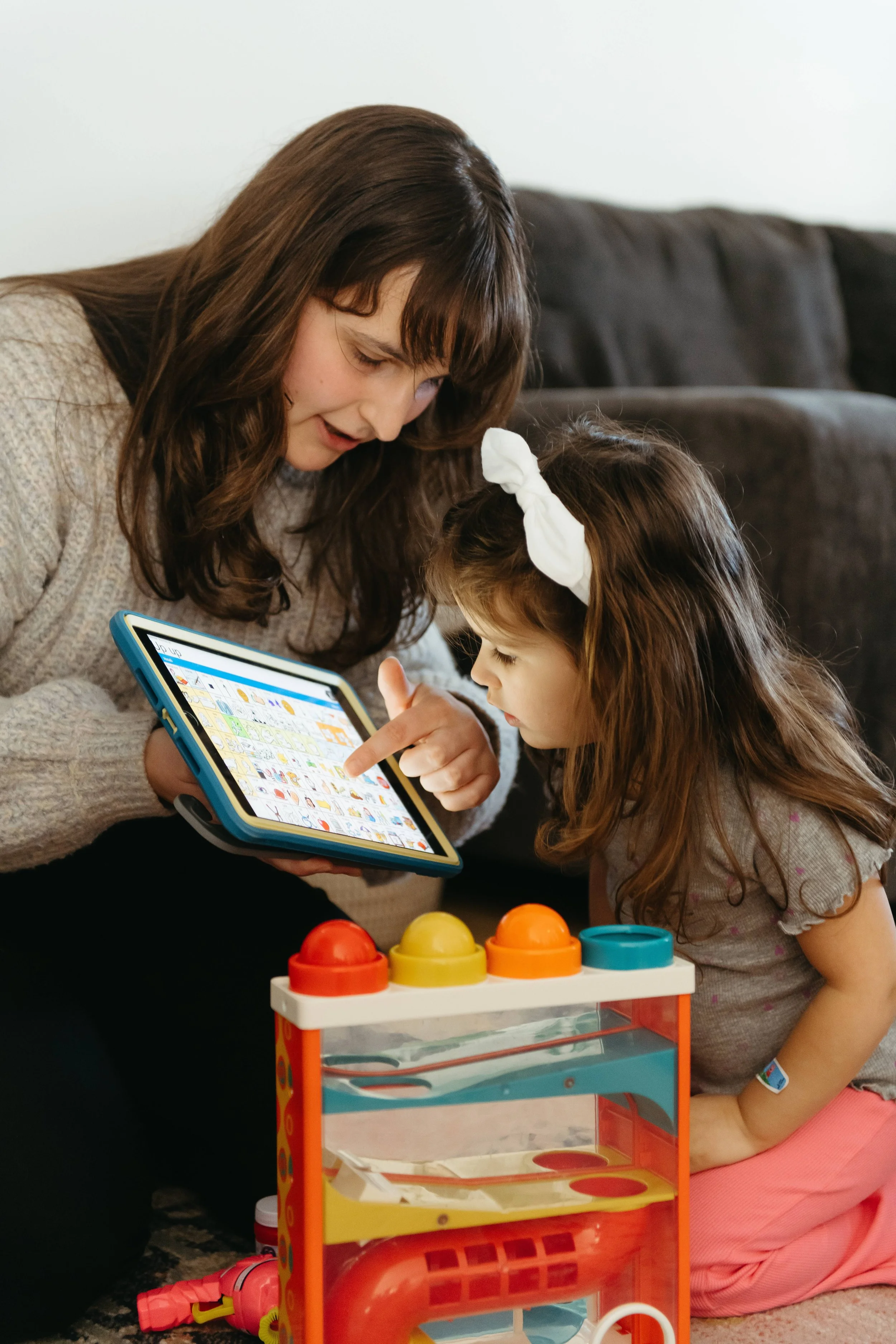
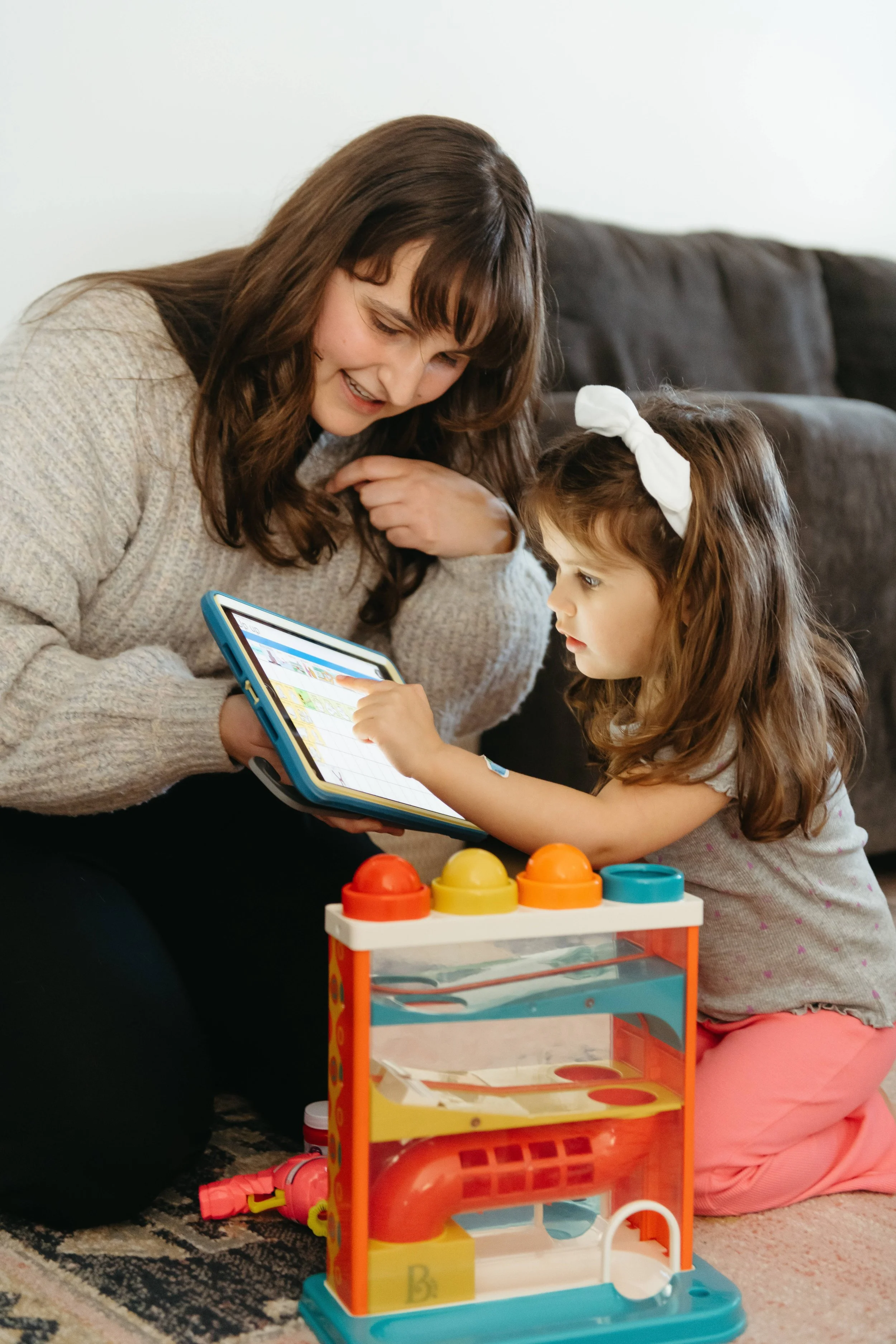
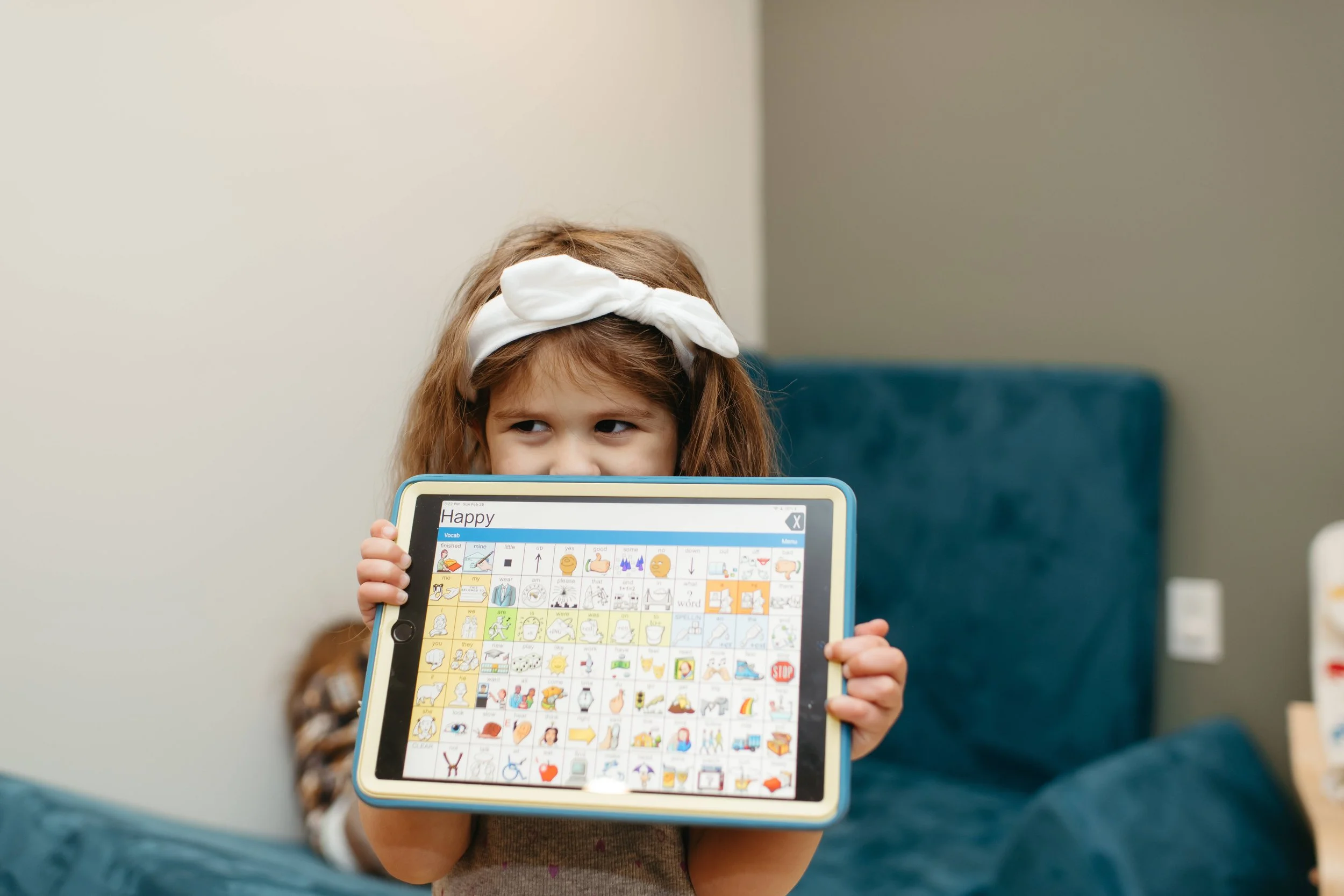
Augmentative & Alternative Communication (AAC) refers to devices or systems that help people communicate when speech isn’t enough for their needs.
AAC encompasses everything an individual needs in order to communicate. It is simply a tool, like speech, that one can use to support themselves in sharing their thoughts, needs, ideas, and feelings.
Who Uses AAC?
Anyone can use AAC, but it can be most helpful for...
Autistic individuals with limited verbal communication or who prefer to have access to alternative methods of communication
Individuals with cerebral palsy, Down Syndrome, or other developmental differences
Individuals with severe speech sound difficulties (e.g., Childhood Apraxia of Speech)
AAC can also be an extremely valuable resource for Gestalt Language Processors because it can provide them with a means of communicating when language is not readily accessible, and can also support those with difficulties in motor-planning
Some children and adults may even just prefer communicating with AAC, and that’s a great thing!
What are the benefits?
AAC can help children to...
Have their needs met
Express themselves
Connect with others
Lower frustration
Develop their language
Facilitate verbal communication
Participate in school or their community
Develop literacy skills
Frequently Asked Questions
-
Not only does AAC not pose a barrier to language development in any way, there's actually evidence that AAC can help speech to develop! First, providing a way for kids to communicate without as much frustration will show them that they have the potential to be successful communicators, which makes them more likely to keep trying to use language. This means that AAC can actually empower children to continue learning—NOT prevent it from happening. Also, speech-generating devices can provide useful audio output for children to copy, which can directly help a child’s speech skills develop.
-
‘Requesting’ is a very common strategy and goal used in speech therapy, but there’s a lot more to language than just that! We believe that kids of all abilities should be exposed to and taught how to use all sorts of different functions of communication, from telling stories and answering questions to saying no and arguing! This of course includes AAC users.
-
Remember that AAC stands for Alternative & Augmentative Communication — it is communication in its own right. A child who uses speech would struggle to understand language if speech was not modelled for them, so of course the same would be true for a child that learns using AAC. In other words, it is the use of (and observing the use of) AAC that will facilitate and contribute to the AAC user’s understanding of language.
-
Actually, there’s no such thing as not being ready to use AAC. Just like how babies don’t need to qualify as ready before learning how to speak verbally, there is no right or wrong time to introduce children to the methods of communication that will allow them to learn. They're ready!
Interested in AAC?
Interested in AAC?
Interested in getting started with AAC? We'd love to help! At HAEPI SLP, we can...
Assess an individual for the best AAC system/device for their needs
Guide the individual on how to use the device and develop their language skills
Train members of the individual’s circle of care
Assist in funding applications
Program and customize the device for each individual
Offer gestalt language processing interventions with AAC
![HAEPI SLP logo featuring a tablet that reads '[hæpi]' in pink text.](https://images.squarespace-cdn.com/content/v1/69b06223dbd9ce5e2b21cf4c/ecfb5482-9bc0-4f9f-9377-5eab8ab19440/Pink+Watermark.png)
Other Areas of Focus